
How to Order a Residential Site Plan Online in the USA
If you’re planning to remodel your home, add an extension, or apply for a construction permit anywhere in the United States, you’ll likely be asked for a residential site plan. This document helps your local planning department understand how your property is laid out and ensures your project follows zoning and safety regulations.
Fortunately, today you can order a residential site plan online without hiring a surveyor or architect. Services like Pro Site Plans make it simple for homeowners to get accurate, permit-ready site plans in as little as 24–48 hours, accepted by city and county offices across the country.
This guide explains what a residential site plan is, what it includes, how to order one online, and how to ensure it meets every city requirement before submission.
1. What Is a Residential Site Plan?
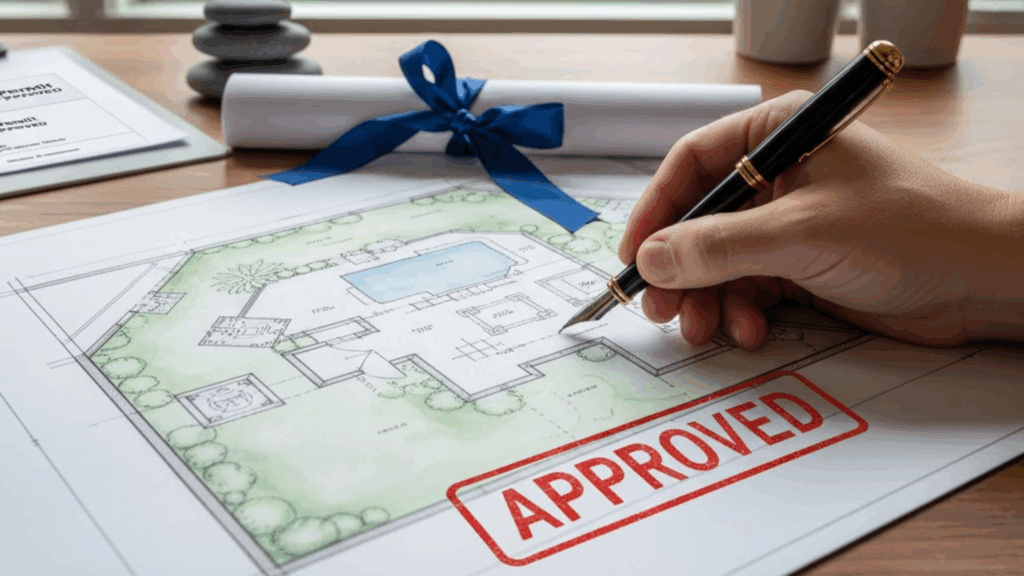
A residential site plan is a scaled drawing of your property that shows both the existing structures and proposed changes. It represents the full layout of your land from an aerial view highlighting property lines, driveways, buildings, utility lines, and landscaping details.
This type of plan serves as a communication tool between you and your local building department. It ensures that your project whether it’s a new garage, a deck addition, or a swimming pool meets zoning regulations, setback requirements, and environmental standards.
If your project involves landscape changes, you can also explore What Is a Landscaping Site Plan to understand how landscaping layouts can be included in your overall property plan.
2. Why You Need a Residential Site Plan
Most U.S. cities require a site plan before issuing building permits, even for small residential projects. This plan helps verify that your construction will be safe, compliant, and environmentally responsible.
A site plan is used to check whether your project aligns with several critical factors:
- Zoning and setback compliance: Every city enforces distance limits between property boundaries and structures. The plan confirms that your home additions or exterior changes don’t cross these legal boundaries.
- Drainage and grading verification: Cities review how rainwater flows across your property. A correct site plan shows grading and slopes to prevent runoff or flooding that might impact neighboring lots.
- Utility mapping: The placement of water, gas, and electrical lines must be clearly marked to avoid accidental damage during construction. Accurate utility data ensures safety and future service access.
- Environmental and safety compliance: Certain projects require tree preservation zones, erosion control areas, or safety barriers. A detailed site plan displays all of these to support quick permit approval.
Without a complete and scaled site plan, your application is often rejected or delayed. That’s why getting it done professionally is so important.
3. Residential vs. Commercial Site Plans
While both site plans share similar purposes, residential and commercial versions differ in detail and complexity.
A residential site plan focuses on single-family homes, duplexes, or small multifamily properties. It typically includes basic zoning compliance details, driveways, landscape elements, and utility connections.
A commercial site plan, on the other hand, involves more technical layers such as traffic flow, drainage engineering, parking layout, and accessibility paths under ADA standards.
If you’re managing a business or multi-unit project, see How to Get a Site Plan for Commercial Construction Projects for a deeper look at those requirements.
4. What a Residential Site Plan Includes
A permit-ready site plan must contain all the essential elements your city’s building department needs to approve your project. These include:
- Property boundaries: Clearly marked boundary lines define the edges of your property and confirm legal ownership dimensions. This is crucial for avoiding disputes with neighboring lots and staying within buildable zones.
- Existing and proposed structures: The plan distinguishes between what already exists like your home or garage and what’s new, such as a shed, deck, or pool. This allows officials to see exactly what changes are planned.
- Driveways and walkways: A good site plan illustrates vehicle and pedestrian access points. These help ensure safe entry, proper spacing from public roads, and adherence to accessibility codes.
- Utility lines and connections: Accurate mapping of underground and above-ground utilities (water, gas, sewer, electric) helps confirm that no line will be disrupted during construction.
- Setbacks and easements: Every municipality enforces minimum distances between structures and property lines, known as setbacks. Easements designate access rights for utilities or shared pathways. Your plan must include these to gain approval.
- Drainage and slope information: Proper drainage prevents flooding or soil erosion. Including slope arrows and contour lines demonstrates compliance with environmental requirements.
- North arrow, scale, and legend: These visual indicators ensure that reviewers can accurately interpret your plan’s dimensions and orientation. A standard scale, like 1 inch = 20 feet, is typically used.
All these components together form a complete, city-compliant site plan ready for submission.
5. Benefits of Ordering a Site Plan Online
Ordering your residential site plan online has transformed how homeowners prepare for permits. Here are the key benefits explained in detail:
No On-Site Visits Needed
Thanks to satellite imaging and GIS data, drafting teams can accurately map your property without needing to visit in person. This saves time and travel costs while maintaining precision.
Fast Turnaround Times
Most homeowners receive their plans within 24–48 hours, which is much faster than traditional survey methods that can take weeks.
Nationwide Acceptance
City and county offices across the U.S. now accept digital site plans that meet formatting and scaling requirements, ensuring faster approval.
Transparent, Affordable Pricing
Ordering online reduces labor and logistics costs. Pro Site Plans offers multiple package levels to fit your project’s size and budget.
Revisions and Support
If your city requests changes, online providers can quickly revise and resend updated plans without additional appointments or travel time.
6. Step-by-Step Process to Order a Site Plan Online
Getting your residential site plan online is simple and can be completed in a few steps:
Step 1: Visit the Official Website
Start by visiting Pro Site Plans, where you can explore plan options, pricing, and past client examples.
Step 2: Choose the Right Service
On the Services page, select the appropriate plan type residential, landscaping, or commercial. Choosing the right service ensures your plan meets specific city submission standards.
Step 3: Request a Quote
Go to the Get a Custom Quote page and fill out the form with your property address, project details, and any notes for the drafter.
Step 4: Approve and Pay
Once you receive confirmation, review the details and complete your order. You’ll get an estimated delivery time (usually 24–48 hours).
Step 5: Download and Submit
When your plan is ready, access it securely through your My Account dashboard. The file will be formatted for online or printed submission to your city.
7. Cost of a Residential Site Plan
The cost of a site plan varies based on property complexity, drawing detail, and location.
Basic residential plans usually start around $125, while detailed, permit-ready versions range between $250 and $400.
Pro Site Plans maintains clear pricing with no hidden fees, backed by a full Money-Back Guarantee. This ensures you only pay for a plan that meets city acceptance standards.
8. Turnaround Time and Delivery
For most residential projects, turnaround is 24–48 hours after order confirmation. Larger properties may require slightly more time to include grading or utility overlays.
Once completed, your plan is sent directly to your online account, where you can download, store, or print it anytime. Digital delivery ensures speed, traceability, and easy submission to local authorities.
9. How to Ensure Your Site Plan Meets City Standards
Before submission, ensure your plan includes:
- Accurate scale and north arrow
- Property boundaries and labeled structures
- Marked setbacks and easements
- Drainage flow directions
- Clear, legible labels and dimensions
Professionally drafted plans are automatically checked against city templates. For more details about approval requirements and policy coverage, review Terms and Conditions for Pro Site Plans.
10. Common Mistakes Homeowners Should Avoid
Many permit delays occur because of missing or inaccurate data. Homeowners often:
- Submit plans without scales or measurement references.
- Forget to label proposed structures or utilities.
- Upload low-quality scans that reviewers cannot read.
These mistakes can easily be avoided by using professional drafting services like Pro Site Plans, which follow city checklists for accuracy and format.
11. Why Choose a Professional Drafting Service
When you order from Pro Site Plans, you’re not just buying a drawing, you’re getting a team of experts familiar with local permit rules. Each plan is verified for compliance with zoning, accessibility, and drainage standards.
Additionally, you gain access to your My Account dashboard, where you can track progress, download files, and request revisions at any time.
12. Data Security and Client Confidentiality
All client data, property information, and digital files are stored securely using encrypted systems. Only authorized staff can access your project data, ensuring full confidentiality and compliance with data protection standards.
This level of professionalism makes online services a trusted choice for residential projects across the U.S.
13. Real Example: From Order to Approval
A homeowner in Arizona needed a residential site plan for a patio extension. They submitted a request through the Get a Custom Quote form, received their plan within two days, and submitted it to their local city office.
The plan met every zoning and setback rule on the first review saving weeks of waiting and avoiding resubmission fees. This shows how fast and effective online site plan services have become.
14. Benefits of Pro Site Plans for Homeowners
Pro Site Plans stands out for its customer-focused approach. The company offers:
- Fast, 24–48-hour delivery
- Plans accepted nationwide by local authorities
- Affordable pricing and clear packages
- A full Money-Back Guarantee
- Secure file storage via My Account
These benefits have made Pro Site Plans a reliable partner for both homeowners and contractors across the U.S.
Conclusion
Ordering a residential site plan online has never been easier or more efficient. You can now skip in-person surveys, reduce costs, and receive a permit-ready plan that meets your city’s exact requirements.
Whether you’re building a deck, adding a garage, or preparing a full remodel, Pro Site Plans simplifies the process with fast turnaround times, accurate drawings, and guaranteed compliance.
For larger or multi-unit projects, you can also explore How to Get a Site Plan for Commercial Construction Projects. Whatever your needs, having a professional plan ensures your project starts on a foundation of accuracy and approval confidence.
FAQ
1. How do I order a residential site plan online in the USA?
To order a site plan, visit the Get a Custom Quote page, enter your property address and project details, select your preferred package, and confirm your order. A professional drafter will prepare your scaled drawing and deliver it digitally within 24–48 hours.
2. What is included in a residential site plan?
A residential site plan includes property boundaries, existing and proposed structures, driveways, utilities, setbacks, easements, and drainage details. It’s drawn to scale so reviewers can confirm zoning compliance and construction safety.
3. Are online residential site plans accepted by U.S. cities?
Yes. Digital plans from Pro Site Plans are accepted by city and county offices nationwide, as they meet standard permit-submission formats and scale requirements.
4. How much does it cost to order a residential site plan online?
The average cost ranges between $125 and $400, depending on property size and the level of detail required. All pricing is transparent and backed by a Money-Back Guarantee.
5. How long does it take to receive my site plan?
Most residential site plans are delivered within 24–48 hours after order confirmation. Larger or complex projects may require additional time for grading or drainage details.
6. What if my city requests revisions?
Revisions are completed promptly. The team updates your plan according to your city’s feedback and re-uploads it to your My Account portal for easy download.
7. Is my information safe when ordering online?
Yes. All files and client details are stored securely using encrypted systems. Only authorized staff have access, ensuring your data and property information remain confidential.