

Site Plan for Trusted Architectural Drafting Services in United States
A building permit often stalls for one simple reason. The city asks for a site plan, and suddenly the project stops. Decks, garages, pool installations, and even small additions can require one. Many homeowners only discover this requirement after submitting their permit application.
Architectural drafting services fill this gap. A clear, permit-ready site plan shows the property layout, structures, and required distances from boundaries. Planning becomes easier, and city reviewers can approve projects faster.
This guide explains the site plan, reasons why it is important to hire drafting services, and how to obtain a credible site plan in the United States.
What Is a Site Plan in Architectural Drafting?
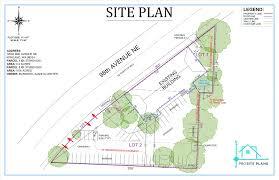
A site plan is a scaled drawing that shows how a structure sits on a piece of land. Local building departments use it to verify that projects follow zoning rules and property regulations.
Typical elements include:
• Property boundaries
• Existing structures
• Proposed structures
• Driveways and walkways
• Setback distances
• Easements and utilities
• Land features such as pools or decks
Permit reviewers rely on this document to check whether the project respects local building codes. Missing or inaccurate details can delay approval.
Why Trusted Architectural Drafting Services Matter
Permit drawings need to be clear, accurate, and easy for city officials to read. Professional drafting services handle this work every day, which removes confusion during the permit process.
Key benefits include:
Accuracy
Professional drafters use mapping data, satellite images and property records to build detailed layouts.
Faster permit approval
City reviewers can quickly verify setbacks and structure placement when drawings are clear.
Time savings
Homeowners do not spend hours in an attempt to sketch plans that may not be passed to meet the permit standards.
Cost control
Hiring a full architect may not be necessary for small residential projects. Drafting services offer a simpler alternative.
Many homeowners learn this the hard way. Hand-drawn sketches often get rejected. A professionally drafted site plan usually resolves the issue.
Projects That Commonly Require a Site Plan
Many residential upgrades trigger permit requirements. A site plan becomes part of the approval package.
Common examples include:
• Backyard decks
• Swimming pools
• Garage construction
• Fence installation
• Home additions
• Driveway changes
• Accessory dwelling units
Local zoning rules vary across cities and counties. Property setbacks and building location cannot be determined prior to the building location without adhering to the local regulations.
How Architectural Drafting Services Create a Site Plan
The process of drafting companies is organized. The strategic actions help in the presentation of the permit drawing in a brief duration.
1. Collect Property Information
The drafting team gathers:
• Property address
• Survey documents, if available
• Project details
• Photos or sketches
This stage is generally backed by the information on the public parcels and satellite imagery.
2. Map the Property Layout
Designers mark key elements such as:
• Property boundaries
• Existing buildings
• Driveways and landscaping
Scale and orientation are added to maintain accuracy.
3. Add Proposed Structures
New construction elements are inserted into the layout. Distances from property lines and nearby structures are clearly labeled.
4. Review and Deliver the Plan
The final drawing is checked for clarity and permit compliance before delivery.
Several drafting firms provide electronic copies within 24 hours for a standard residential project.
Choosing a Reliable Site Plan Service in the United States
The level of reliability of not all drafting services is identical. A couple of easy tests can prevent trouble.
Look for these indicators:
• Experience with permit-ready drawings
• Clear explanation of the site plan process
• Fast turnaround times
• Transparent pricing
• Positive client feedback
Drafting teams that know how to review permit documents in local building departments move faster.
Key Tips for a Smooth Permit Process
A few practical steps can save time during permit submission.
• Check local zoning requirements and then begin drawing.
• Provide accurate project details to the drafting service.
• Include property surveys if available.
• Check setback measurements and the placement of structures.
Small details matter. The reason could be that a permit will be approved and not revised immediately; this could be based on how well it is documented.
Conclusion
Site plans play a central role in construction permits across the United States. Clarity in drawings assists building departments in making sure that property limits, structure location, and zoning are in place. Professional architectural drafting services make this process easy through the provision of permit-ready layouts, which avoid delays.
Quality drafting services ensure that projects keep on track. Pro Site Plans offers quick and reliable drafting services to homeowners and contractors looking for reliable site plan services that would pass through the permit approvals.
