

Site Plan for 2D Floor Plan Drafting Services in United States – Complete Guide for Homeowners
Permit offices all over the United States toss out thousands of building applications every single year for one incredibly simple reason. Missing or incomplete paperwork.
Most of the time, city officials will demand two specific things before they even think about approving your project. They want a site plan and a 2D floor plan. A lot of regular homeowners do not actually realize there is a massive difference between the two until their folders come back covered in red ink with a big stamp marked incomplete.
To put it simply, a site plan shows exactly how a building sits on your dirt. A 2D floor plan shows the rooms and walls inside that building. Both drawings play a huge role in getting your project off the ground.
This short guide will show you how a 2d site plan supports standard floor plan services in the US, why your local city hall cares so much about them, and how you can get your hands on approved blueprints without the usual waiting game.
What Is a Site Plan in Residential Drafting?
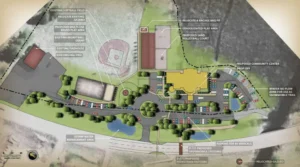
A site plan is basically a scaled overhead map that shows how your house, garage or sheds sit inside your property boundaries.
Your local town planning department relies on these visual maps to verify that whatever you are building follows the local zoning rules, yard setbacks, and property lines.
A standard home layout map usually shows:
• The exact property boundaries and total lot dimensions
• Both the old existing structures and your proposed new additions
• Your driveways, sidewalks, and gravel paths
• Hidden utility lines and legal easements
• The precise distance from your new walls to the actual property lines
According to building safety organizations like the International Code Council (ICC), these drawings are the primary tools used by town inspectors to confirm your project will not cause a fire hazard or block your neighbor’s sunlight. Without this document in your permit packet, getting a green light for construction is going to be a huge uphill battle.
How Site Plans Support 2D Floor Plan Drafting
A 2D floor plan is all about the inside of the structure. It shows where your kitchen counters go, where the bedroom walls sit, and where you plan to put windows and doors. It is a completely flat overhead view of the interior.
A 2d site plan works right alongside that floor plan by showing where that whole structure actually gets dropped on your land.
Think of it like this. The floor plan handles the inside, and the site plan handles the outside. Reviewers need both to see the whole picture.
Honestly, almost every town office in the country will flat-out refuse to look at a floor plan unless you have a proper site map clipped to the front of it.
Why U.S. Permit Offices Require Site Plans
Local governments love to regulate construction. They do it to protect the neighborhood look, city utility pipes, and general public safety. A clear map helps the city clerks verify a few highly critical things before you break ground.
A site plan helps city planners verify several critical factors:
Zoning compliance
Every town has strict rules about how close you can build to your property line. These mandatory empty gaps are called setbacks. If your map shows a new porch structure spilling over into that zone, you are going to get rejected instantly.
Utility access
The city needs to see exactly where your fresh water pipes, sewer lines, and electrical hookups will run. They do not want your construction crew accidentally digging through a main power wire.
Environmental impact
Planning offices look closely at your land grading, slopes, and lawn drainage to ensure your new concrete roof does not cause a muddy flood in your neighbor’s yard the next time it rains.
According to older reports from groups like the National Association of Home Builders (NAHB), messing up your zoning and permit paperwork is one of the most common reasons home projects get delayed for months. You can bypass that entire mess just by getting a professional draft done upfront.
How Homeowners Can Get a Site Plan for Drafting Services
The good news is that you do not need to pay thousands of dollars for a land surveyor to come out and walk your grass anymore. Modern digital platforms can handle almost every single site plan request entirely online.
To get started, homeowners usually just need to provide:
• A valid property address
• Any old survey maps or basic lot documents you have lying around
• A short, simple description of what you want to build
Once you hand over those basic details, professional designers can create a perfectly scaled drawing that is ready for a formal permit review.
Typical turnaround time
Most online drafting teams can send your completed files over in about 24 to 48 hours depending on how complex your lot is.
This quick digital method works incredibly well for:
• Building a new home addition or expanding a kitchen
• Setting up a detached backyard garage or workshop
• Putting up a wooden deck or a screened-in porch
• Designing a small backyard studio or office pod
• Installing a new privacy fence along your lot line
Having your paperwork sorted out fast keeps your timeline moving so your builders are not sitting around waiting on city hall.
What Makes a Good Site Plan for Floor Plan Drafting
City reviewers see hundreds of drawings a week, and they have zero patience for messy, hand-drawn sketches on graph paper. They want clear, professional lines. A solid drawing that passes inspection on the first try always includes:
• Perfect, verified property dimensions
• An accurate engineering scale and a clear north orientation arrow
• Well-labeled buildings, driveways, and main access points
• Exact setback measurements from the property lines
• Clear references to local utility connections
When your drawings look neat and easy to read, the reviewers do not have to call you with a million annoying questions. They can just check their boxes, sign the papers, and speed up your approval.
Conclusion
At the end of the day, passing your city permit inspection comes down to having the right papers in your hand. A site plan and a 2D floor plan have to work as a team to show the city exactly what you are doing inside and outside your property. When both drawings match up with your local town codes perfectly, the entire approval process becomes a breeze.
If you are planning a new room addition, a backyard garage, or an outdoor deck this year, you should start working on these drawings as early as possible. Getting accurate drafts done early prevents unexpected delays and keeps your construction budget on track.
Professional online platforms like Pro Site Plans specialize in helping homeowners get clean, permit-ready maps without the high fees of traditional field surveyors. Let us handle the boring technical drawings so you can focus on building your home!
Read More:-
Ready Site Plans in 24 Hours: Ideal Solutions for Urgent Permit Submissions
