
Top 10 Reasons Site Plans Get Rejected (And Expert Tips to Ensure Approval on the First Try)
At Pro Site Plans, our team of architectural and structural engineering experts has delivered 20,000+ permit ready site plans across the USA. The biggest reason permits get delayed or denied? A flawed site plan for permit. A site plan isn’t just a sketch, it’s a legal document proving your project complies with local zoning and building codes. When cities reject a plan, it means something critical is missing. In this guide, we share the top 10 site plan mistakes we see (and how to avoid them) so you can get your permit approved the first time.
Inaccurate or Missing Measurements
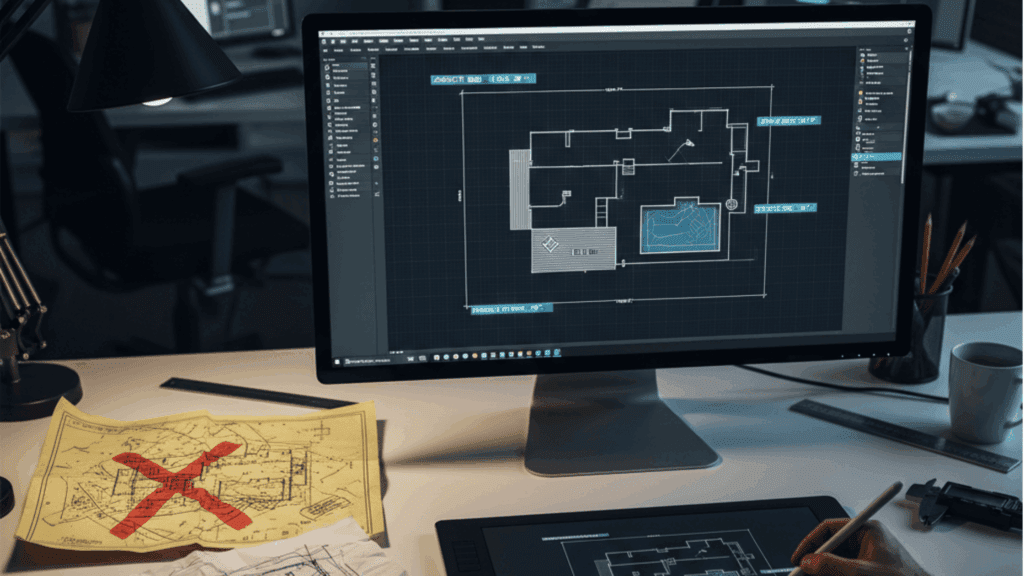
One of the top reasons a site plan for permit gets rejected is inaccurate or incomplete dimensions. Your plan must be scaled and precise showing exact lot lines, building footprints, and required setbacks. If even one measurement is wrong, approval is unlikely.
Expert Tip: Skip hand drawn sketches and outdated surveys. We use GIS data and high resolution aerial imagery to deliver accurate, permit-ready site plans that meet local requirements the first time.
Ignoring Zoning Setback Rules
Every city has zoning laws that require structures to be a certain distance—or setback—from property lines. These rules vary by location and project type (for example, sheds often have different setbacks than ADUs or home additions). If your site plan for permit doesn’t respect these setbacks, it will almost always be denied.
Expert Tip: Check your city or county zoning code before drafting. We handle this step for you, making sure your plan reflects the exact setback requirements in your jurisdiction.

Missing Easements on the Plan
An easement is a legal right that allows others—like utility companies or neighbors—to use part of your land (for things like sewer lines, power lines, or shared driveways). If your site plan doesn’t show these areas, or if your project overlaps them, the city will reject your permit.
Expert Tip: Always mark and label easements clearly on your site plan for permit. We cross-check property records, plat surveys, and GIS data to ensure no easement is missed.

Inconsistent Documents
Your site plan for permit must match all other documents in your application, including floor plans and elevation drawings. If details don’t line up—for example, a garage shown on one plan but missing on another—reviewers will flag it and deny approval.
Expert Tip: Keep every document consistent. We prepare site plans, floor plans, and elevations together so they align perfectly and avoid costly rejections.

Missing a North Arrow or Scale
It might seem small, but a missing north arrow or scale makes your site plan for permit incomplete. Reviewers need both to verify orientation and accuracy. Without them, your plan may be rejected immediately.
Expert Tip: Every plan from Pro Site Plans includes a clear north arrow and consistent scale. See what’s required in our Site Plans for Permits Guide.

Leaving Out Existing Structures and Features
An incomplete plan is as bad as an inaccurate one. Cities require every structure—fences, sheds, patios, pools, septic systems—shown on your plan. Missing features create confusion and can trigger rejections.
Expert Tip: Our plans always include all existing features so officials get the full picture. Learn more in our guide on How to Read a Site Plan.

Poor Readability or Formatting
A messy, hand-drawn sketch or unclear layout wastes the reviewer’s time. Building officials review dozens of plans daily if yours looks unprofessional, it risks being denied.
Expert Tip: At Pro Site Plans, we provide clean, print ready PDFs and DWG files. Each plan is professionally drafted to be easy for reviewers to approve.

Ignoring Rejection Comments
If your plan was previously denied, resubmitting without addressing the city’s comments guarantees another rejection. It shows you didn’t resolve the issues.
Expert Tip: That’s why we offer Unlimited Free Revisions. Share your reviewer’s notes, and we’ll adjust the plan until it’s accepted.

Incorrect Topography or Critical Area Details
If your property is in a flood zone, wildfire area, or has major elevation changes, you must include accurate topography lines or critical area boundaries. Skipping these is a red flag.
Expert Tip: Our Elite Site Plan package includes topography and critical area mapping, meeting even the toughest city requirements.

Using Outdated Information
Old surveys or expired zoning rules can derail your permit. Codes change, and your property may have been altered since the last record. Submitting outdated data almost always leads to rejection.
Expert Tip: We use the latest GIS records, aerial imagery, and zoning updates to keep your plot plan or site plan fully current.

Your Path to Permit Approval: The Pro Site Plans Guarantee
At Pro Site Plans, we know permit rejections waste time and money. That’s why we guarantee permit ready site plans designed to get approved the first time.
With fast 24 hour turnaround, precise drafting using GIS and aerial data, and unlimited free revisions, we remove the stress from the permit process—helping homeowners, contractors, and developers move forward with confidence.
👉 Ready to secure your permit? View Our Site Plan Packages
Frequently Asked Questions
General Questions about Site Plans & Permits
1. What is a site plan?
A site plan is a detailed, scaled drawing that provides a “bird’s-eye view” of your entire property. It includes everything from property lines and existing buildings to proposed new structures, driveways, and other key features. It’s the essential first document for a building permit application, as it shows how your project fits onto your land.
2. Why do I need a site plan for a building permit?
Local building departments and city zoning offices require a site plan to verify that your project complies with all local regulations. It helps them ensure you are not violating setback rules, building on top of easements, or encroaching on a neighbor’s property. Submitting a correct site plan is the fastest way to get your permit approved and avoid costly delays.
3. What is the difference between a site plan and a floor plan?
A site plan shows the entire property from the outside, including the relationship between the main house, new structures, and property lines. A floor plan shows the interior layout of a building, detailing rooms, walls, doors, and windows. You will often need both for a complete permit application.
4. What types of projects require a site plan?
Most projects that change the external footprint of a property need a site plan for a permit. Common examples include new home builds, home additions, sheds, decks, garages, swimming pools, fences, and new driveways. It’s always best to check with your local building department to be sure.
5. How much does a site plan cost?
The cost of a site plan varies based on the complexity of your project and the level of detail required. At ProSitePlans.com, our professional, non-certified plans start from as low as $79 for a Basic plan, offering a cost-effective alternative to expensive land surveyors.
Questions about Pro Site Plans Services
6. How quickly can I get a site plan from Pro Site Plans?
Our standard turnaround time is less than 24 hours for most projects. We understand the urgency of the permitting process, which is why we also offer a “Rush Order” option in our Elite package for delivery in under 12 hours.
7. Will your site plan be accepted by my city, township, or HOA?
Yes. Our plans are professionally drafted to meet the stringent standards of building departments and homeowners’ associations across the USA. We have a 100% permit acceptance guarantee and offer unlimited free revisions to ensure your plan is approved.
8. Are your site plans certified or stamped?
Our plans are non-certified, meaning they do not come with a surveyor’s or engineer’s professional stamp. Most municipalities accept non-certified site plans for residential and light commercial projects. If your city or county specifically requires a stamped plan, you will need to hire a licensed surveyor.
9. What information do I need to provide to order a site plan?
All we need to start is your property address. Providing any additional information, such as a rough sketch, notes, or an old survey, helps us ensure maximum accuracy.
10. What is included in a typical site plan package?
A standard site plan includes property lines, lot dimensions, primary and accessory structures, a North Arrow, a scale, and measurements between major features. More advanced packages add details like driveways, fences, trees, landscaping, and setbacks.
11. What if my plan is rejected by the city?
If your plan is rejected, simply send us the city’s comments. We will review the feedback and provide unlimited free revisions at no additional cost until your plan is approved. This is part of our commitment to your project’s success.
12. Can I make changes to my site plan after it is delivered?
Yes, you can. We offer unlimited free revisions with every plan to ensure it meets your exact requirements and the city’s standards.
13. Do you handle commercial projects?
Yes. Our Professional and Elite plans are designed to meet the detailed requirements of commercial projects, including features like parking spaces, dumpster areas, and ingress/egress.
14. What other drafting services do you offer?
In addition to site plans, we offer Floor Plans, Elevation Drawings, Subdivision Plans, and 3D Renderings. Our goal is to be your one-stop shop for all permit-ready drafting needs.
15. How do you create an accurate plan without visiting the property?
Our team of experienced architectural and structural experts uses a combination of cutting-edge technology, including advanced GIS data, high-resolution satellite imagery, and public property records, to create a precise plan from our office.
Technical & Specific Questions
16. What are setback requirements, and why are they so important?
Setbacks are the minimum distances a structure must be from your property lines. Building within a setback is a major reason for permit rejection and can lead to fines or the need to tear down the structure.
17. What is an easement, and how does it affect my project?
An easement is a legal right for another party (usually a utility company) to access a portion of your land. You cannot build a permanent structure on an easement.
18. What is a Parcel ID or APN?
A Parcel ID (or Assessor’s Parcel Number) is a unique number assigned to your property for identification. It is a key piece of information for any permit application.
19. What file formats do you deliver the site plan in?
Our standard delivery is a high-resolution PDF file. Our Elite plan also includes DWG and JPG files for additional flexibility.
20. Can I create my own site plan?
While you can, it’s risky. Inaccurate measurements, a lack of scale, or missing details will lead to a rejected permit application. A professionally drafted plan ensures accuracy and saves you time and frustration.
21. Do your plans include topography?
Topography mapping is included in our Elite plan package. It is necessary for properties with significant elevation changes or those located in specific areas.
22. What if my property is located in a rural or unlisted area?
We serve all 50 U.S. states. Our data and technology allow us to create accurate plans for any location, regardless of whether it’s a major city or a rural town.
23. What is the difference between a site plan and a plot plan?
The terms are often used interchangeably. Both refer to a scaled drawing of a property showing the layout of the lot and its structures.
24. How do I know which plan package is right for me?
Our Basic plan is great for simple projects like a shed or fence. The Advanced and Professional plans are for more detailed residential and commercial projects. Our Elite plan is for high-stakes projects that require maximum detail and a rush order. You can compare our plans here.
Post-Purchase & Support Questions
25. What is your policy on revisions?
We offer unlimited, free revisions on every plan until it is approved by your local authority. We will work with you every step of the way to ensure your project is a success.
26. How do I get a custom quote for a complex project?
If your project doesn’t fit into our standard packages, you can fill out our Custom Quote form or call us to discuss your specific needs.
27. What are “as-built” plans?
As-built plans are detailed drawings of an existing structure that show the current conditions of the building. They are often needed for major renovations or building upgrades. We offer this as a separate service.
28. How do I contact customer support if I have a question?
You can contact our support team via phone, email, or live chat. Our team is responsive and ready to help you with any questions about your order.
29. Is my personal information safe with you?
Yes. We take your privacy and data security very seriously. All personal and property information is handled with the utmost confidentiality.
30. How do I get started?
Simply choose your desired plan package on our website, provide your property address, and we will get to work on your permit-ready site plan!
Related Articles
How to Get a Plot Plan for Building Permit Approval in the USA
Fastest Way to Get a Site Plan for Permit Online in the USA
How to Start Creating a Site Plan for Your Property in the USA
What Is a Landscaping Site Plan? A Complete Guide for Homeowners, Contractors & Designers
Conditional Use Permits (CUP): Do You Need a Site Plan for Approval?
Deck Permit Guide: Plans, Costs, and Expert Tips
How to Get a Site Plan for Commercial Construction Projects: A Complete Guide